Inexpensive Window Installation Assistance to Improve Power Efficiency
Affordable window installation services are key in boosting a home’s energy efficiency. Homeowners frequently experience rising energy bills, creating a demand for effective solutions. Energy-efficient windows, featuring products like Low-E coatings, can make a significant difference. However, it is important to understand the available options and the potential costs involved. Examining these factors may lead to not just immediate savings but also long-term advantages for both the home and its value. What next steps should homeowners take?
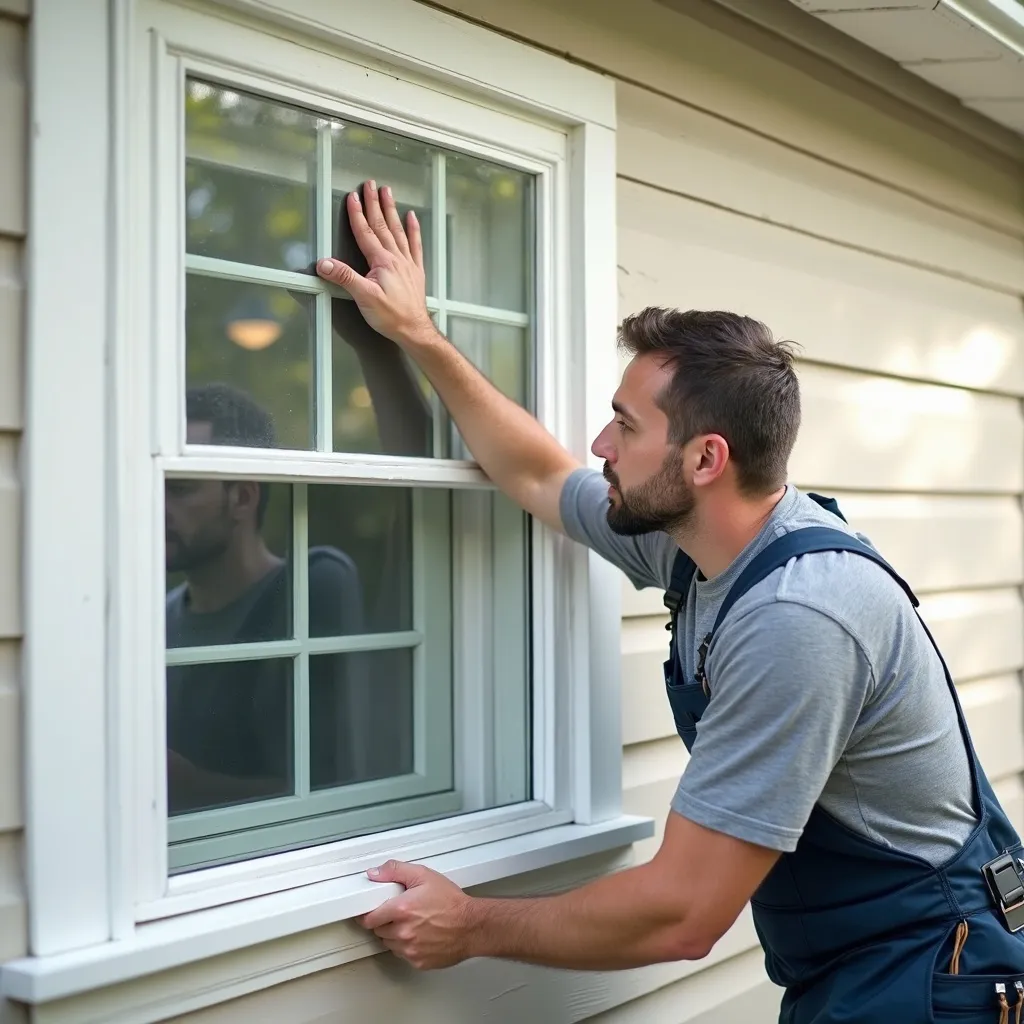
Exploring the Advantages of Window Replacement for Energy Efficiency
Although homeowners frequently overlook it, replacing old windows can greatly enhance energy efficiency. Older windows may allow drafts and heat loss, causing inflated utility costs. By choosing window replacement, homeowners can substantially decrease energy consumption, thereby reducing expenses. Newer window designs feature cutting-edge systems that reduce air leakage and improve insulation.
This not only contributes to a more pleasant indoor climate but also decreases the reliance on HVAC units. Additionally, efficient windows often include features that block damaging ultraviolet radiation, protecting interiors from color loss. Homeowners may also gain potential tax credits or incentives for upgrading to efficient window alternatives. Ultimately, window replacement acts as a strategic investment, yielding extended savings while boosting the market value of the property. As energy efficiency becomes increasingly vital, the decision to replace old windows emerges as a wise choice for many homeowners.
Essential Features of Energy-Saving Windows
Energy-efficient windows showcase several vital characteristics that enhance their operational effectiveness. A key component is multiple glazing, which incorporates two or three glass layers spaced with insulating gases, supplying excellent insulation. Low-emissivity coatings represent another important advantage, sending heat back toward the interior while allowing sunlight to penetrate. This cuts down on energy usage and supports managing indoor climate.
Moreover, high-performance windows often feature thermal frames made from materials like vinyl or fiberglass, which provide better thermal resistance compared to traditional wooden frames. Weatherproofed edges and weatherization seals further prevent air leakage, enhancing the window's overall energy performance. Finally, a superior energy efficiency rating, such as ENERGY STAR certification, demonstrates that windows satisfy strict energy efficiency guidelines. These features together lead to reduced energy costs and increased comfort within the home.
Uncovering Competitively-Priced Window Replacement Providers
Discovering affordable window replacement services can be a tricky task for homeowners wanting to boost energy efficiency without draining savings. To work through this journey, homeowners should start by exploring local specialists who specialize in window replacement. Online feedback and evaluations can supply useful information into the quality of service offered.
Moreover, getting multiple quotes is necessary; this enables homeowners to review prices and services. Many companies also present financing options, which can alleviate the upfront costs involved in window replacement.
Homeowners may also consider seeking out seasonal promotions or discounts, as many service companies provide special deals during particular seasons. Finally, contacting local energy efficiency programs can yield suggestions for affordable services and potential refunds, further lowering expenses. By following these steps, homeowners can discover economical window replacement options that enhance their home's energy performance.
Budget Contrast: Windows vs. Energy Bills
When considering window replacement, it is important to review the expenses connected to different window types alongside potential cost reductions. Investing in energy-efficient windows can generate significant reductions in monthly energy bills over time. This evaluation helps property owners understand the long-term financial benefits of their choices.
Different Window Options And Expenses
Selecting the right window type can greatly impact both upfront expenses and long-term energy savings. Different window materials and styles come with varying price points, affecting the overall budget for replacement. For instance, vinyl windows tend to be the most economical option, while wood and fiberglass windows typically carry higher costs due to material quality and aesthetic appeal. One-pane windows are cheaper upfront but offer less insulation compared to double or triple-pane options, which can considerably elevate expenses. Homeowners should also take into account installation costs, which can vary based on window type and local labor rates. Ultimately, understanding the cost implications of each window type is essential for making an well-considered choice that balances budget and efficiency.
Long-Term Energy Savings
Investing in energy-saving windows can lead to significant long lasting savings on energy bills, as these windows are meant to minimize heat loss and gain. Over time, the reduction in heating and cooling costs can offset the initial investment in window replacement. For instance, homeowners may notice a decrease in energy bills of 10-25% after installing premium windows. This translates to considerable annual savings, especially in regions with extreme temperatures. Additionally, energy-efficient windows often qualify for tax credits and rebates, further enhancing their affordability. By comparing the initial expenses of window installation against the long-term savings on energy bills, homeowners can make educated decisions that benefit both their finances and the environment.
Guidance to Discovering Energy Efficiency Incentives for Windows
Discovering power conservation rebates for window replacement can significantly lower costs. Homeowners should investigate regional rebate initiatives and look for obtainable national tax deductions. Additionally, reviewing utility company offers can uncover additional cost-saving options.
Explore Regional Rebate Programs
How can homeowners boost their monetary benefits when swapping out windows? One effective strategy involves studying local motivation programs. Many municipalities and energy service companies present incentives or economic aid for energy-efficient window details exchanges. Dwellers should proceed by visiting their local government's website or contacting directly energy efficiency organizations. These references often provide information on available programs, eligibility requirements, and application processes.
Moreover, homeowners can partner with window replacement contractors who may have knowledge of local incentives. Interacting with local community groups or social media platforms can also generate valuable insights into available programs. By devoting effort to explore these options, homeowners can substantially cut their out-of-pocket expenses while enhancing the energy efficiency of their homes.
Examine Federal Tax Credits
What options exist for homeowners looking to take advantage of federal tax credits for energy-efficient windows? Homeowners can investigate the federal tax credit programs that encourage the installation of ENERGY STAR-certified windows. These tax credits can considerably reduce the overall cost of window replacement, making energy-efficient choices more accessible. To qualify, homeowners should confirm that the windows meet specific energy performance criteria specified by the Internal Revenue Service (IRS). Additionally, they should maintain receipts and manufacturer certifications to verify eligibility when filing tax returns. Staying informed about changes in federal tax legislation is crucial, as these programs can change. Consulting with a tax professional can offer clarity and maximize potential savings connected with these federal incentives.
Contact Utility Company Promotions
Homeowners trying to enhance energy efficiency through window replacement should seek out advice from their utility companies for available rebates. Many utility providers offer incentives to encourage energy-efficient upgrades, which can markedly lower upfront costs. To discover relevant programs, homeowners should browse their utility company’s website or reach out to their customer service department. It is important to seek details specifically about window replacement rebates, as eligibility requirements and amounts may vary. Additionally, homeowners should make sure that the replacement windows meet the energy efficiency standards set by the utility provider. By taking advantage of these offers, homeowners can not only lower their energy bills but also aid a more sustainable environment. This proactive approach can lead to significant long-term savings.
Should You tackle Window Installation yourself or hire a Professional?
When evaluating window installation, the choice between a do-it-yourself method and employing an expert can greatly impact both results and costs. For the DIY enthusiast, the allure of saving money can be tempting. However, this method demands a thorough knowledge of tools, construction regulations, and proper installation techniques. Mistakes can result in higher utility bills and additional costs due to possible harm.
Furthermore, contracting with an expert provides technical knowledge and excellent craftsmanship. Specialists come equipped with the critical tools and professional experience to deliver a perfect installation, which can eventually enhance energy performance. They typically include protection plans, granting an extra level of confidence for homeowners.
In the end, the decision should incorporate the individual's skill level, cost constraints, and the challenging nature of the installation. Assessing these factors will support you identify the most effective direction to reach the best results while maintaining cost-effectiveness.
Long-Term Financial Benefits: Computing the ROI of New Windows
Selecting new windows can greatly influence a home's energy efficiency and aggregate value. Homeowners often seek to recognize the enduring savings associated with this venture. Eco-friendly windows, designed to minimize heat loss and gain, can result in considerable lessening in heating and cooling costs.
To calculate the return on investment (ROI), one must first examine the preliminary expenses of window replacement against the expected energy conservation over time. Industry estimates propose that energy-efficient windows can decrease energy bills by 10% to 25%. Additionally, some areas offer tax credits and rebates that can further amplify savings.
Homeowners ought to also evaluate the boost in property value, as energy-efficient improvements often attract future buyers. Ultimately, while the upfront costs may seem intimidating, the long-term advantages of reduced energy expenses and greater property appreciation can make new windows a prudent decision.
Commonly Asked Questions
How Much Time Can You Anticipate Eco-Friendly Windows to Endure?
Energy-efficient windows commonly function between 20 to 30 years, subject to variables like standard, placement, care, and weather exposure. Routine maintenance can markedly enhance their longevity and operational efficiency over time.
What Are Usual Red Flags That Windows Demand Replacement?
Signs that suggest windows need replacement include noticeable air leaks, condensation between panes, difficulty with operation, deteriorated frames, and climbing utility bills. These signals reveal lowered performance and potential structural concerns that need quick attention.
Is Window Substitution Possible During Winter?
Yes, window replacement can be achieved in winter. Trained specialists apply weather-resistant techniques to minimize heat loss, ensuring quality installation despite cold conditions. Homeowners can enjoy superior energy efficiency without significant delays during the colder months.
Do financing choices exist for window replacement work?
Numerous window replacement companies offer different financing options, including affordable loans, installment options, and credit programs. Property owners can explore these options to manage expenses effectively while enhancing their property's energy efficiency and aesthetics.
What's the Best Way to Determine the Ideal Window Style for My Property?
Deciding on the most appropriate window style involves giving consideration to the home's architectural design, energy efficiency, and personal preferences. Inspecting various styles, getting guidance from professionals, and evaluating factors like climate can help ensure a suitable and aesthetically pleasing choice.